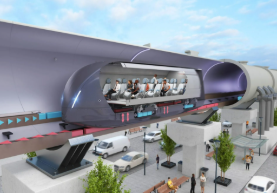
Hyperloop technology represents a significant advancement in transportation systems. It integrates electromagnetic propulsion and low-pressure vacuum tubes to achieve high-speed travel. By eliminating friction through magnetic levitation, it offers a streamlined solution for urban connectivity. However, the path to widespread implementation is fraught with challenges. Understanding the mechanisms, benefits, and potential hurdles is crucial for evaluating its feasibility in modern transit solutions. What implications does this have for the future of urban mobility?
How Hyperloop Technology Works
Hyperloop technology operates on the principles of electromagnetic propulsion and low-pressure environments to facilitate high-speed transportation.
Utilizing vacuum tubes, it minimizes air resistance, allowing pod-like vehicles to travel efficiently. Magnetic levitation further enhances this system by eliminating friction between the pods and the track, ensuring smooth acceleration and deceleration.
This innovative approach promises a transformative movement, providing unprecedented freedom in travel.
Advantages of Hyperloop Transportation
The innovative design of Hyperloop transportation offers numerous advantages that could redefine the landscape of modern travel.
With unparalleled speed efficiency, it promises significantly reduced travel times between urban centers.
Additionally, Hyperloop systems utilize renewable energy sources, thereby minimizing their environmental impact compared to conventional transport methods.
This paradigm shift not only enhances connectivity but also aligns with a growing demand for sustainable transit solutions.
Challenges and Obstacles to Implementation
Although Hyperloop technology promises transformative benefits for transportation, several significant challenges and obstacles hinder its widespread implementation.
Regulatory hurdles, including safety standards and land-use regulations, complicate development processes.
Additionally, funding concerns arise from the high capital investment required, deterring potential investors.
These factors collectively impede progress, necessitating innovative solutions to navigate the complex landscape of modern transportation infrastructure.
See also: How to Start a Career in AI
The Future of Hyperloop and Urban Mobility
Emerging from the challenges faced in the implementation of Hyperloop technology, its potential to reshape urban mobility presents a compelling vision for future transportation systems.
By integrating Hyperloop with existing public transportation networks, cities can foster sustainable cities that prioritize efficiency and reduced carbon footprints.
This innovation may offer unparalleled connectivity, enhancing freedom of movement while addressing urban congestion and environmental sustainability.
Conclusion
In conclusion, Hyperloop technology stands poised to redefine urban mobility, akin to a silver bullet piercing through the dense fabric of traditional transit systems. As it glides silently through low-pressure tubes, the promise of swift, efficient travel emerges like a beacon of hope amid the clamor of congestion and pollution. However, the path to widespread adoption remains fraught with complexities, demanding innovation and collaboration to transform this visionary concept into a reality that reshapes the landscape of transportation.